
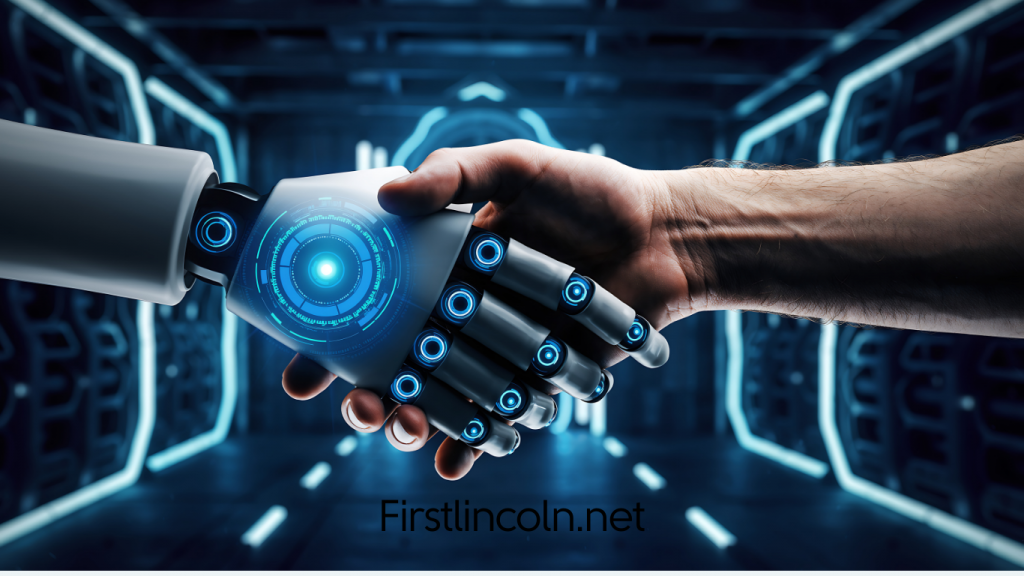
As artificial intelligence (AI) continues to reshape every industry, the way we handle cybersecurity is undergoing a profound transformation. AI-driven systems can detect threats faster, automate responses, and predict attacks before they occur. However, this increased reliance on AI also introduces complex security challenges that businesses cannot ignore. “Information technology and business are becoming inextricably interwoven. I don’t think anybody can talk meaningfully about one without the talking about the other.” ~Bill Gates
This is particularly true in an AI-driven world, where cybersecurity is no longer just a technical necessity, it is central to every business decision. Companies like Firstlincoln Technologies are at the forefront, providing AI-powered cybersecurity solutions that help organizations safeguard their data while managing risks from advanced technologies.
What Cybersecurity Challenges in a Fully AI-Driven World Mean
Cybersecurity challenges in a fully AI-driven world refer to the new and evolving problems organizations face when AI is used for business operations and security. In simple terms, it’s about protecting your systems, data, and AI tools from risks that are faster, smarter, and more complex than ever before. These challenges include AI-powered attacks, where hackers use AI to break into systems more quickly and cleverly than traditional methods, and vulnerable AI models, which can be tricked or manipulated to make wrong decisions. There are also data privacy concerns, as AI relies on huge amounts of information that, if not properly secured, can be stolen or misused. Additionally, compliance challenges arise because organizations must meet strict data protection laws, which can be harder to maintain in AI-driven environments. “Artificial intelligence is the new electricity. Just as electricity transformed every industry, AI will transform cybersecurity, but only if we address its risks thoughtfully.”~Andrew Ng
In short, as businesses rely more on AI, the stakes get higher, security mistakes or weak systems can lead to data breaches, financial losses, and serious damage to reputation.
Benefits of AI-Driven Cybersecurity
- Faster and Smarter Threat Detection
AI can process massive amounts of data far quicker than humans, spotting unusual activity or potential attacks in seconds. This rapid detection can prevent breaches from spreading and reduce potential damage. “AI is the defining technology of our time, and it must be used responsibly to protect our systems, data, and trust.”~Satya Nadell. With support from experts like Firstlincoln Technologies, companies can catch threats before they escalate, keeping their systems safe and reliable.
- Automation Reduces Human Error
AI allows many routine security tasks to be automated, such as monitoring network activity, flagging suspicious files, and even responding to minor threats automatically. This reduces the chances of human mistakes, which are often the root cause of breaches, and frees up security teams to focus on more complex threats. - Predictive Security for Proactive Protection
Rather than reacting to attacks after they happen, AI can analyze historical data and predict where attacks are likely to occur. This proactive approach allows businesses to patch vulnerabilities and prevent incidents, saving time, money, and reputation. - Continuous Monitoring and Compliance
AI systems can monitor networks, applications, and user behavior 24/7, ensuring that security policies and regulatory requirements are consistently met. Companies like Firstlincoln Technologies provide solutions that help organizations stay compliant with data protection laws while strengthening overall cybersecurity.
- Scalability and Adaptability
As businesses grow and adopt more digital tools, AI-driven cybersecurity can scale alongside them. These systems adapt to new technologies, evolving threats, and increasing data volumes, offering long-term protection without the need to constantly rebuild security infrastructure
Common Mistakes to Avoid in AI-Driven Cybersecurity
- Relying Only on AI Without Human Oversight
AI is powerful, but it is not perfect. Fully trusting machines without human supervision can cause missed threats or false alarms. For example, an AI system might flag a harmless software update as suspicious, or it might miss a sophisticated phishing attempt disguised as an internal email. A combined approach, where skilled cybersecurity professionals oversee AI systems, ensures accuracy and better decision-making. “The human element is always the weakest link in security, but also the most important for detecting what machines may miss.”~Kevin Mitnickn
- Ignoring AI System Vulnerabilities
AI models themselves can become targets. Hackers may try data poisoning, where they manipulate input data to trick AI into making wrong decisions, or adversarial attacks, where subtle changes in input can fool the AI. For example, an AI-based intrusion detection system might be fed slightly altered traffic patterns to bypass alerts. Failing to secure AI systems can compromise the entire cybersecurity infrastructure. - Neglecting Employee Training
Even with AI monitoring, human error can undermine security. Employees who are not trained to recognize phishing emails, suspicious links, or social engineering tactics can inadvertently allow attackers access. For instance, an employee might click a link in a cleverly disguised email, giving hackers entry into the network despite AI defenses. Regular training and awareness campaigns are essential to fill this gap. - Poor Integration With Existing Systems
AI tools work best when they are fully integrated with current IT and cybersecurity infrastructure. Deploying AI in isolation can create gaps where threats go unnoticed. For example, an AI threat detection tool may identify malware, but if it’s not linked to the company’s access control system, the malware could still reach sensitive data. Proper integration ensures that AI works in harmony with other security measures. - Overlooking the Balance Between Security and Usability
Sometimes, security measures powered by AI can be too restrictive, frustrating employees and slowing down workflows. For example, an AI system might block a legitimate business file transfer because it appears unusual, causing delays in daily operations. It’s important to design AI security measures that protect the organization while still allowing employees to work efficiently.
Conclusion
AI offers incredible opportunities to improve cybersecurity, but it is not a magic bullet. Organizations must understand both its power and its limitations. By combining AI-driven tools with human expertise, continuous monitoring, and employee awareness, businesses can protect their data and operations more effectively.
Partnering with trusted providers like Firstlincoln Technologies ensures that organizations benefit from the latest AI security innovations while avoiding common pitfalls. Strong cybersecurity in an AI-driven world is essential not only for protection but also for building trust, safeguarding reputation, and enabling sustainable growth.
In short, AI strengthens cybersecurity but only when humans, systems, and processes work together seamlessly.